
Airbnb has told hosts they may no longer require guests to strip bed linen, wash and put away dishes or take out the bins at the end of a stay, under a policy update that narrows what a host may ask of the people staying in their home.
The guidance says house rules may not include tasks that involve "significant effort or time, or would typically be performed by a cleaner". Requests that fall outside the policy are flagged to the host, who must either remove them or appeal.
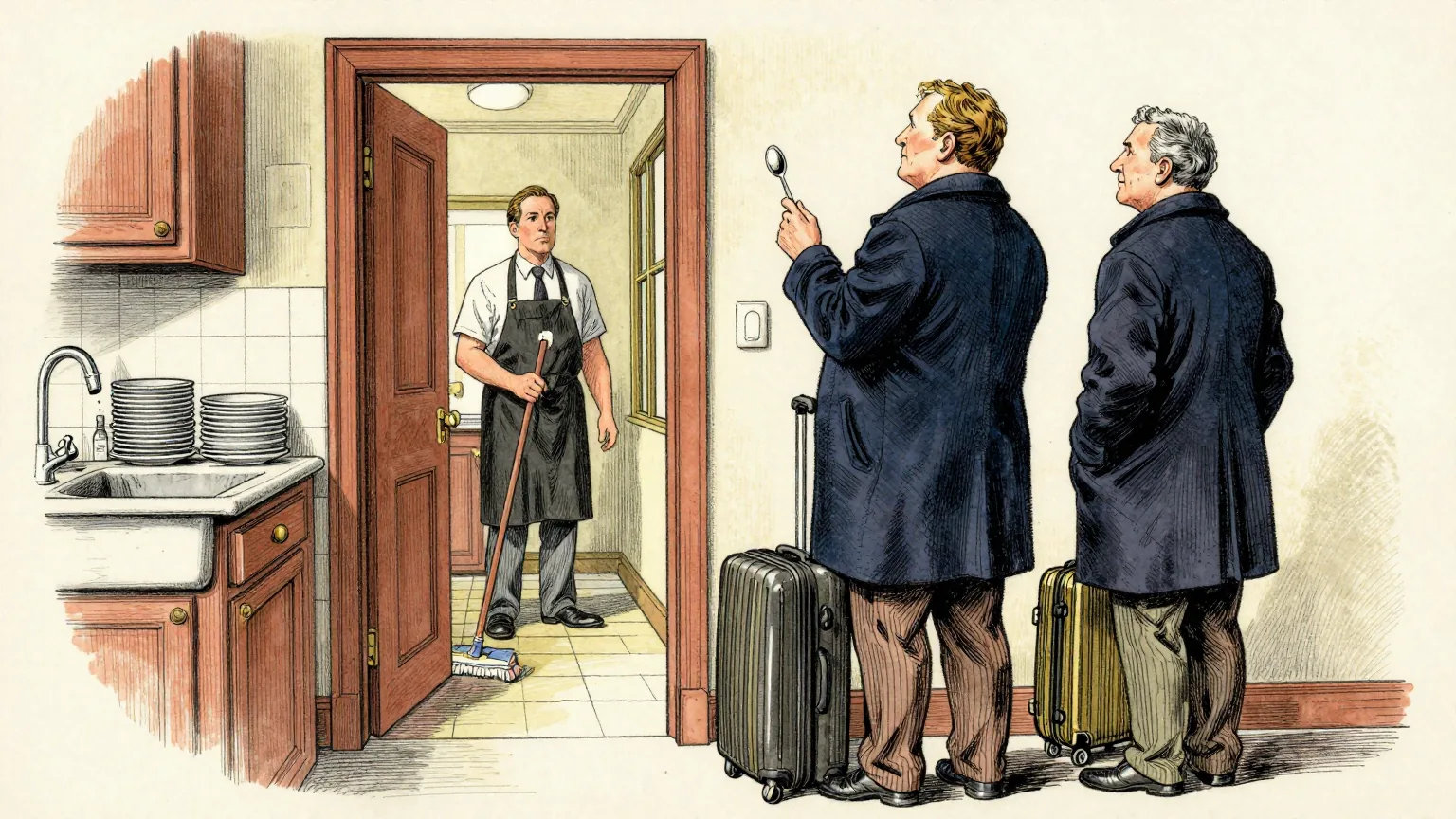
Guests can still be asked to put used tableware in the sink. Hosts may also add their own requests, provided those are reasonable, and may update them at any time.
The redesigned house rules offer hosts seven standard options, covering check-in and check-out times, the number of approved guests, smoking, pet approval, designated quiet hours, and commercial film and photography.
Airbnb said it had heard from its community that house rules "can be confusing, onerous and hard to manage", and that the rules had been redesigned to be easier to find and to set.
Cleaning fees, under the policy, should cover only a standard tidy-up between guests. Hosts cannot charge a guest for skipping a checkout task that was listed in the rules.
The travel publication Skift, reporting the change the same day, said the policy takes effect on 20 November, and that repeat breaches can bring a notice on the listing, reduced search visibility, cancelled bookings, the loss of Superhost or Guest Favourite status, and account suspension.
Skift also reported that hosts may not charge for anything already included in a listing, impose fines of their own, or keep copies of guest identity documents unless local rules require it. Separate rental agreements are barred except for monthly stays, Airbnb Luxe, optional extras, and where local law or a homeowners association demands one.
The change follows years of guest complaints about paying a cleaning fee and then being handed a list of jobs.
It is worth being precise about the test Airbnb has adopted. A request is excluded if it would typically be performed by a cleaner. The question is therefore not how hard the task is, nor how long it takes, but who is in the habit of doing it.
On that reading the dish itself is not the issue. The dish may be carried to the sink, because carrying a dish to a sink is a guest's business. What happens to the dish at the sink is a cleaner's business, and the policy falls exactly along the rim.
This newspaper regards that as the most precisely drawn line in the hospitality industry. On one side of it a guest is being gracious. On the other a guest is being employed. The two are separated by nothing at all.
The Department of Unnecessary Research notes the one soft spot in the test. Because the standard is what a cleaner would typically do, it moves when cleaners do. Any task cleaners stop doing stops being a chore.
Hosts seeking relief should therefore not argue that stripping a bed is easy. They should establish that cleaners no longer strip beds.