
The dating app Bumble has been bought for $1.3bn (£980m) in what its new owners called "a bet on the future of humanity".
The investment firm Ithaca Holdings is taking over the loss-making company. Its directors, Ravi Gupta and John Hegeman, will become co-chief executives of a business that once set itself apart with a rule by which only women could begin conversations with their matches.
Gupta and Hegeman said they wanted to use technology to "renew and accelerate businesses...in a world transformed by AI". They said: "Technology should work in service of our deepest source of fulfillment, human connection and this investment is a bet on the future of humanity."
Whitney Wolfe Herd, Bumble's founder and current chief executive, said she would remain "actively involved" with the business she set up 12 years ago. It is unclear what her role will be, and she said she will work closely with the new owners.
Bumble's share price rose as news of the deal began to emerge, lifting the company's valuation to over $580m. That remains far below the peak of more than $14bn it reached after floating on the Nasdaq stock index in 2021.
Since becoming a public company it has made an annual pre-tax profit only once, in 2023. In the two years that followed it reported steep losses, a period during which it was working to incorporate new technology, including artificial intelligence, into its app. This year it unveiled several AI features, among them profile guidance to help users write their own listings.
The women-first messaging rule, introduced when the app launched in 2014, was dropped in August, prompting debate among users over whether Bumble had lost what distinguished it from its rivals. "Today, our community is asking for more flexibility, less pressure, and more opportunities to create real, meaningful connections and that is what this new experience provides," Wolfe Herd said at the time.
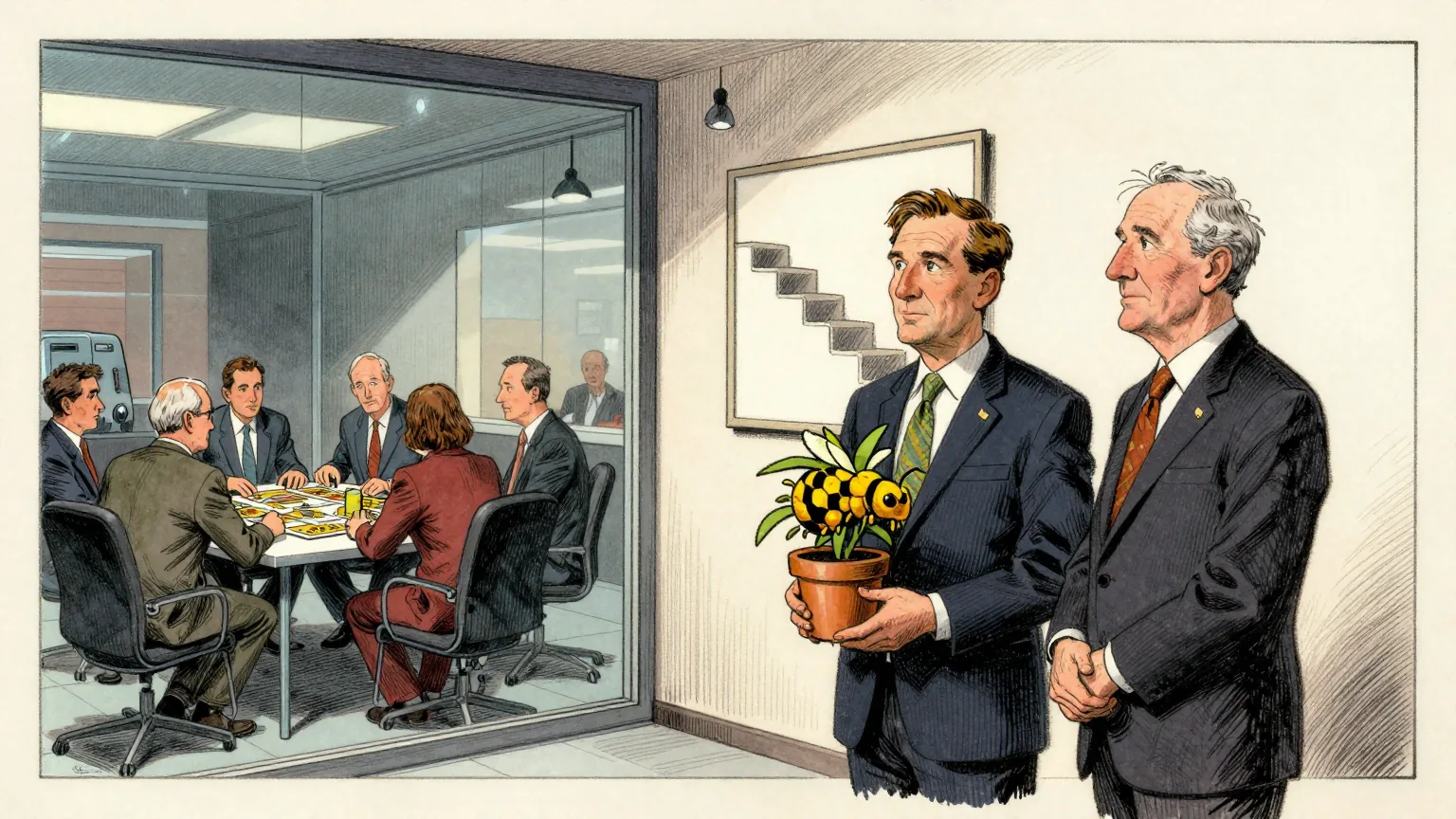
The wider market has been difficult. Bumble said in 2025 that it would cut almost a third of its workforce as the industry reached what Wolfe Herd described as an "inflection point" in online dating. Match Group, the owner of Tinder, OkCupid and Hinge, has also seen its shares fall sharply from their 2021 peak, and the media regulator Ofcom reported in 2025 that adults in the UK were spending less time on dating apps than three years earlier. Some single people are instead turning to board game gatherings and book clubs.
The buyers' description of the transaction should be taken at its word, because as of Monday it carries a figure. The future of humanity changed hands for $1.3bn, with our deepest source of fulfilment included in the sale and the intellectual property attached to it.
Against the 2021 float, this newspaper notes a markdown of roughly 91 per cent. Human connection peaked at more than $14bn and has traded down steadily since, which is a disappointing five years for the asset class and a reasonable entry point for anyone taking a long view.
Our analysts have examined the published accounts with the new framing in mind. The future of humanity has returned an annual pre-tax profit once, in 2023. In the two subsequent years it made steep losses, during which it was being fitted with artificial intelligence.
The product history supports the valuation. In August the asset removed the feature that distinguished it from competing futures of humanity, on the grounds that its community wanted less pressure, which narrowed the gap between this future and the others.
The Department of Unnecessary Research has consulted the demand side and finds it has moved to board games and book clubs, where the future of humanity is currently being traded off-exchange at the price of a paperback.
On the figures as published, humanity's future has been profitable in one year out of five, and its new owners describe buying it as a bet.