
Large organisations say that nearly a third of their software spending goes on upgrades, migrations and licensing changes they would not have chosen, according to research into what it costs to keep a software vendor satisfied.
The study, conducted by Censuswide for the software support provider Origina and published with Thinkers50, surveyed 2,018 senior IT decision-makers in the United States and the United Kingdom. Respondents put the average share at 28 per cent.
They were not expecting much in return. Some 95 per cent of respondents said they had paid for at least one vendor-driven change in the past three years despite expecting worse reliability, performance or value afterwards. The most recent such change cost their organisations an average of $12.87 million.
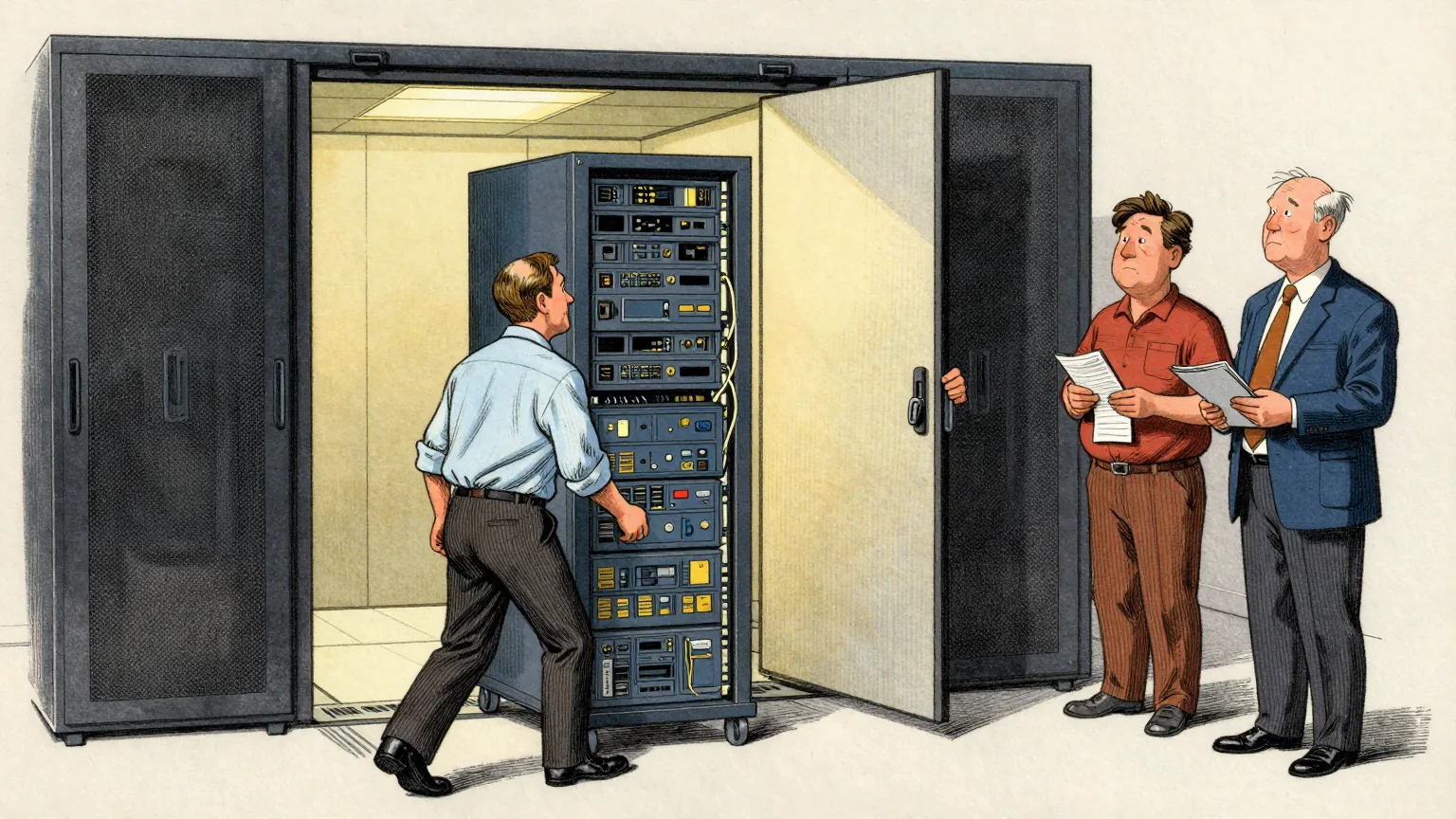
The costs are not only financial. According to the survey, 91 per cent of respondents said their organisations had retired working hardware in the past three years to meet software support deadlines, giving up an estimated 1.65 years of remaining useful life on average.
Staff are drawn in too. Some 84 per cent said experienced engineers were regularly diverted from other projects to handle vendor-driven upgrades and migrations, and 90 per cent said vendor-driven costs had contributed at least moderately to an artificial intelligence or data project being delayed, paused or cancelled.
Few felt able to refuse. Some 76 per cent said they had little negotiating leverage with their major software vendors.
Origina's founder and chief executive, Tomás O'Leary, said customers had been backed into a corner. "When the alternative to an unwanted upgrade is losing support on systems the business runs on, saying yes is often a rational response. That's exactly the problem," he said. "The market has left some of the most experienced technology leaders in the world with little room to refuse, and that cost shows up in budgets, in engineering time and in innovation that never gets funded."
Respondents had views on the remedy. Some 91 per cent backed legislation that would give enterprise software customers protections comparable to those enjoyed by long-term residential tenants, while 82 per cent supported software maintenance requirements similar to European rules on hardware repairability.
The findings come with a declared interest, as The Register noted in reporting them: Origina sells independent support for enterprise software, offering customers an alternative to vendors' own maintenance and upgrade arrangements.
Taken at face value, the survey describes a market of unusual internal consistency. More than a quarter of the budget buys changes the buyer would not have chosen, and 95 per cent of buyers bought one anyway while expecting the result to be worse than what they already had.
This newspaper does not regard that as a failure of the market. A failure would be a mismatch between preference and purchase that nobody had noticed. Here the preference and the purchase point in opposite directions and both have been written down, to two decimal places.
The figure our analysts find most arresting is the 1.65 years. It is the only quantity in the survey denominated in time rather than money, it describes functioning equipment that was retired early to satisfy a support calendar, and it is the one item on the list that cannot be bought back.
The proposed remedy fits the facts exactly. Enterprise software buyers would like the protections of a long-term residential tenant, which is the right instinct, since what they have described is a tenancy in which the tenant pays for the landlord's renovations and is then required to vacate a room that was working.
The Department of Unnecessary Research is satisfied that the arrangement is entirely rational. Every party has behaved sensibly, every decision has been justified, and nobody has received anything they wanted.