
Government departments have disclosed that they have spent at least £2.4m working with social media influencers since July 2024. The figures were revealed in responses to parliamentary questions submitted by the Conservatives, and first reported by the Politics At Sam And Anne's podcast.
Of the departments providing figures, the Department for Education has spent the most, at more than £700,000, followed by HMRC at nearly £600,000, although that figure excludes agency fees. The Department for Work and Pensions has spent £212,425, the Department for Energy Security and Net Zero £176,100, the Ministry of Housing, Communities and Local Government £114,831.95, and the Department for Business, Innovation, Science and Trade £39,700. Some departments, including the Home Office and Foreign Office, said they did not hold information on payments to influencers centrally.
Departments have used influencers to promote campaigns on topics including career development, how to access benefits, and the recruitment of teachers and prison officers. In 2025/26 the Department for Education paid 57 social media influencers, and said its spending covered fees paid to individuals and agencies as well as production costs. HMRC has worked with 44 different influencers, with some taking part in multiple campaigns.
Departments said using influencers helped the government to reach people who may be harder to engage through traditional channels, with content creators paid fairly for their time and expertise, and stressed that all paid marketing campaigns were assessed to ensure they deliver value for money. Ministers said HMRC used influencers to reach the public through "authentic and trusted voices", countering misleading tax guidance on social media.
Conservative shadow Cabinet Office minister Mike Wood said: "The government is spending hundreds of thousands of pounds of taxpayers' money on influencers in a feeble attempt to cover for its failures." He added: "It is becoming increasingly clear that if Labour want praise, they must pay for it."
The practice is neither new nor confined to one party. Previous Conservative governments have also used influencers, a category that can include celebrities, podcasters, bloggers and social media creators. The disclosed figures primarily cover the period when Sir Keir Starmer was prime minister, and his successor Andy Burnham has continued the approach, posting videos on TikTok of himself running with Sir Mo Farah on his first day in office.
Prof Andrew Chadwick, an expert in political communication at Loughborough University, said working with influencers "chimes with the change of direction since Burnham took over", and argued it could be an effective way of telling the public about things like how to file their taxes. "It's taken a while to get to this stage, but I'm surprised in a sense at how little has been spent by these departments," he added.
He also pointed to the risks. The government has less control over what its messages appear alongside, and the public response to a collaboration is difficult to predict. "The comments are there, they're underneath the post, and you'll get these kind of backlash moments," he said. "That undermines the purpose of the original campaign."
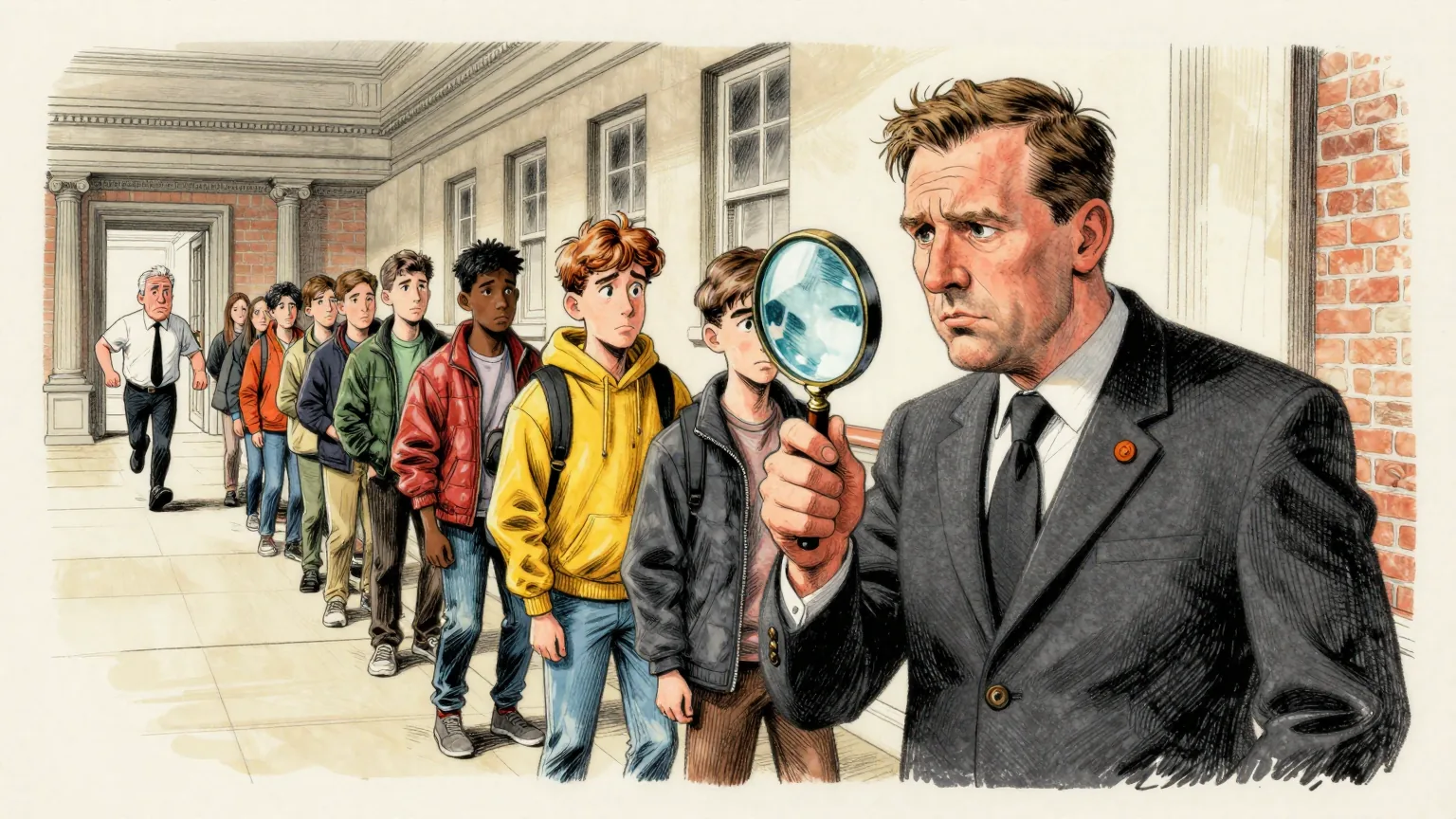
Government guidelines for influencer marketing have existed since 2023. The Government Communication Service's published influencer due diligence policy sets out what departments must establish before engaging a creator: the size, reach and demographics of the following; whether the account carries unsafe or unsuitable content; and whether the influencer "has publicly communicated on political issues recently (in the last 12 months), at a high volume (monthly or more) and in such a way that may become a story in its own right". Campaign managers are told to review up to five pages of search results and twelve months of content, and the decision to engage "may need to be signed off by a Minister".
The concern is not that a creator holds views, but that they "carry a reasonable risk of creating media coverage that would undermine or detract from the campaign": the messenger becoming the story instead of the message. Read strictly, that places the government's political communications in the safest available hands, those of people with no record of political communication.
The threshold is precise. Posting on political issues becomes a consideration at monthly or more across twelve months. A creator who addresses a policy eleven times in a year remains available to promote one. The twelfth withdraws them from public service.
Applied evenly, the test removes the people who apply it. A minister communicates publicly on political issues far more often than monthly, at a volume that regularly becomes a story in its own right. A prime minister who posts a video of himself running on his first day clears the threshold before the second. The five pages of search results are not the difficulty. The difficulty is that they return results.
The Department of Unnecessary Research has set out the ideal campaign partner. The profile review is uneventful. The search results are empty. Reach is desirable. Relevance is desirable. Any evidence of interest in the subject is a procurement risk.
Two departments have already met that standard. The Treasury and the Department for Environment, Food and Rural Affairs told Parliament they spent nothing on influencers during the period, and not one of the creators they engaged has communicated on political issues or become a story in its own right. On the standard the government applies to everyone it pays to speak on its behalf, the government is not a suitable channel for its own message.