
Motorists buying a secondhand car with a lot of miles on the clock are likely to find an electric vehicle ultimately more reliable than a petrol one, according to a study of MOT records.
An analysis of 47.4m MOT tests found that after cars were driven 90,000 to 120,000 miles, electric vehicles were about 25% less likely to fail than petrol models of the same age, based on a failure rate of 16.5% against 22.1%.
Beyond 120,000 miles the gap widened: 16% of electric cars failed, compared with 23.5% of petrol cars. The study found relatively little difference between the two fuel types at lower mileages.
The research was carried out by the consultancy New AutoMotive on behalf of the British Vehicle Rental and Leasing Association, and comes as a growing number of electric vehicles change hands. Many previously belonged to company and leasing fleets, so have potentially covered a great many miles.
Toby Poston, the BVRLA chief executive, said mileage is "one of the first things people look at when buying a used car, and passing 60,000 or 70,000 miles can have a big impact on how a vehicle is perceived".
Ben Nelmes, chief executive of New AutoMotive, said high mileage "isn't a proxy for poor condition in the way buyers have traditionally assumed. The data suggests the mechanical simplicity of an electric drivetrain starts to become increasingly valuable as cars accumulate miles."
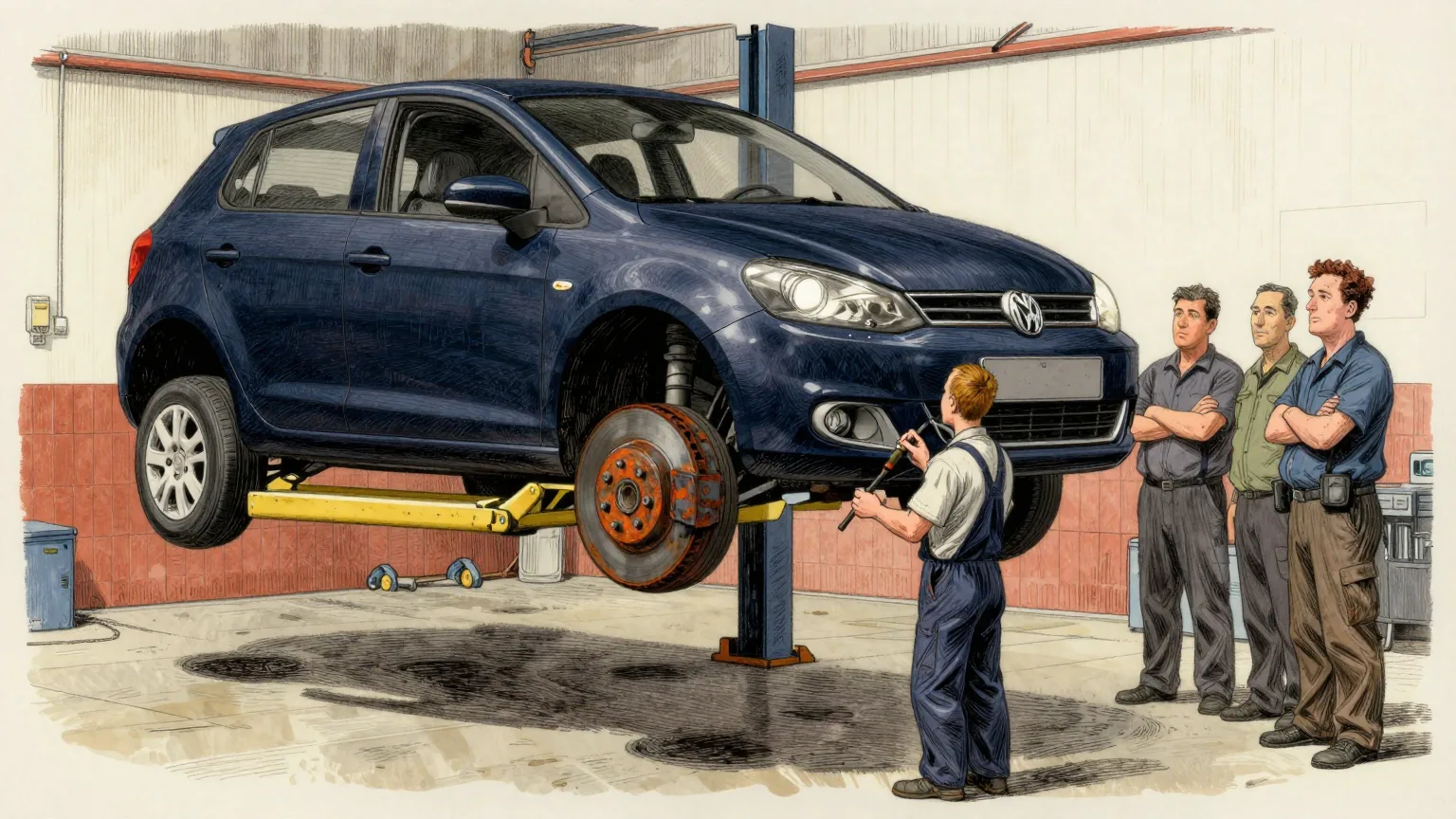
The study also identified areas where electric cars performed worse. They recorded nearly twice as many tyre defects as petrol cars, and older, low-mileage electric cars showed increased friction-brake defects. Researchers attributed the latter to corrosion associated with the brakes being used less frequently.
MOT tests examine statutory roadworthiness, including brakes, tyres, suspension, steering and lights, but do not measure battery health, degradation or charging performance. That information would need to be considered alongside mechanical roadworthiness when assessing any used electric car, the researchers said.
"This isn't an argument for buying a used EV without doing your homework," Poston said. "Buyers should look at its history, condition, tyres and battery health just as they would scrutinise the engine, gearbox and service history of a petrol or diesel car."
The brake finding deserves more attention than it will get, because of what it is not. These are not brakes that wore out. They are brakes that did not.
That inverts the usual relationship between a component and its test. Every other item on the MOT sheet is a race between wear and the next inspection. The friction brakes on a low-mileage electric car are failing the opposite race: they are deteriorating because nothing has asked them to work.
Followed properly, this gives the careful owner an awkward maintenance schedule. Condition here improves with use, so a driver wishing to protect their brakes is obliged to use them, which in ordinary traffic means arriving at things rather more suddenly than intended.
It also reverses the trade's oldest rule of thumb. The worst-prepared car for this particular test is the well-kept, older, low-mileage one, driven gently and sparingly by someone who never needed to stop in a hurry. High mileage, as the researchers say, is not a proxy for poor condition. On the brake figures, low mileage may be.
The final refinement is that the MOT examines brakes, tyres, suspension, steering and lights, and does not examine the battery. It therefore certifies every part of an electric car except the part that moves it.
The Department of Unnecessary Research accordingly advises used buyers to look for an electric car with high mileage, fresh tyres and a documented history of bad luck at junctions.