
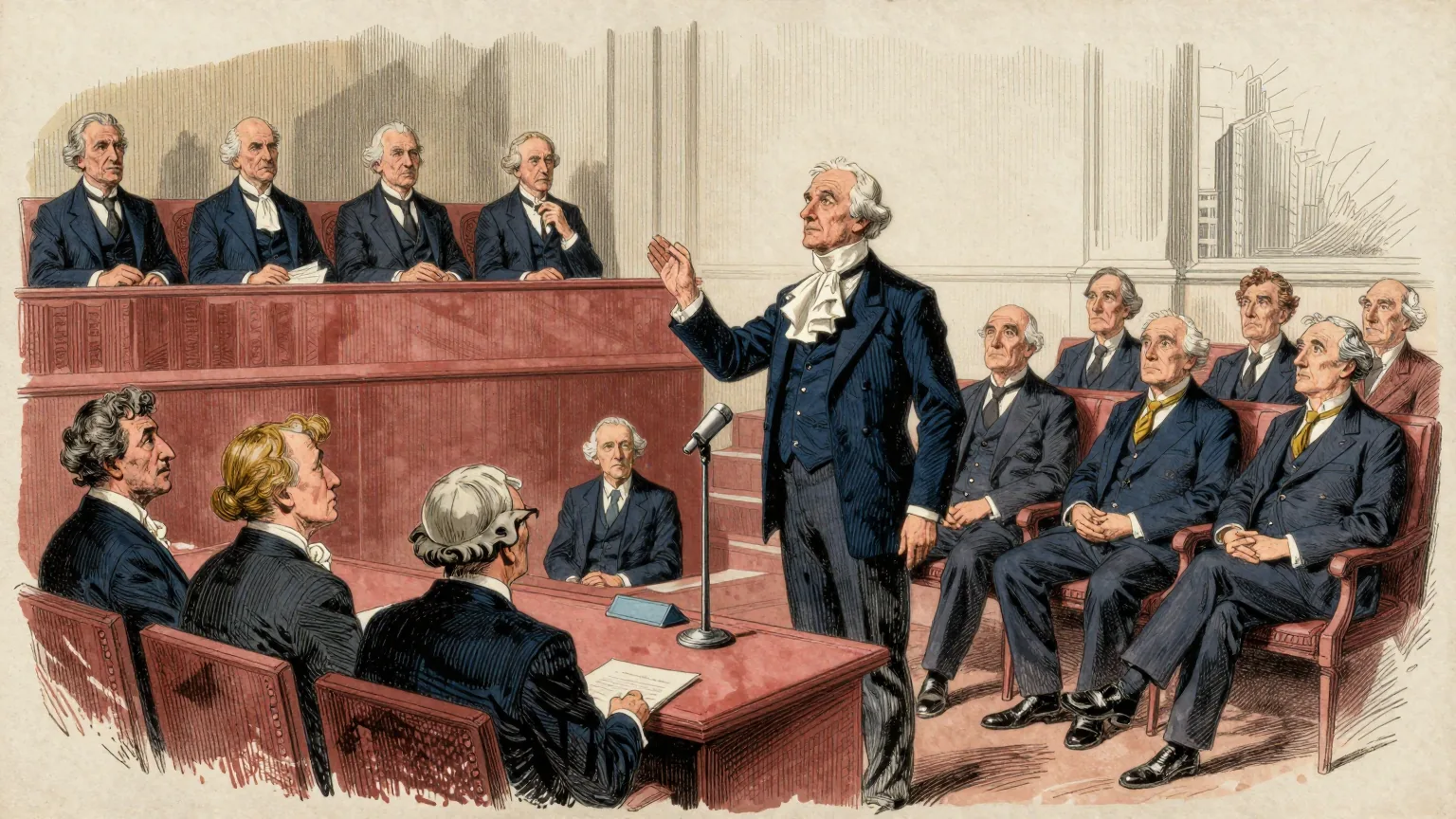
Men are no longer required to wear a tie in the House of Lords. Under a rule change enacted this week, peers are instead expected to opt for "business attire".
An updated rule book, approved by peers on Wednesday, states that members should wear business attire when debating or voting, but can decide for themselves whether to wear a necktie. The guideline was proposed in a report by the Lords procedure and privileges committee, and is expected to appear in the Companion to Standing Orders, the official guide to procedures and practices in the upper chamber, later this year.
Lord Ponsonby of Shulbrede, the senior deputy Speaker, who chaired the committee, said: "It's for each individual member to dress appropriately."
The Companion does not currently feature a dress code for most members of the House. The exception is the bench of bishops, who are expected to "wear robes of rochet and chimere in the Chamber, except if sitting on the steps of the Throne".
Not every peer intends to take up the new freedom, and several said they had no intention of dressing down. Lord Davies of Brixton, a Labour peer, told the Telegraph that he was not opposed to the change "because the term 'business attire' is meaningless", adding: "In truth, the only people now wearing ties for business purposes are estate agents and funeral directors. The tie is disappearing."
Outside the chamber, the writer and style commentator Peter York took the traditional side, saying the relaxed code will "end in tears". "Lords are not famous for being well-dressed at the best of times. If they can go without ties, they can also wear plimsolls and stuff like that. They will look silly," he said.
On Savile Row the view was more relaxed. "The House of Lords should be a mirror of society. What better way of doing it than reflecting current trends?" said James Sleater, the owner of the tailor Norton & Sons, who noted a decline in neckwear in offices since the pandemic.
The same committee also recommended a change to the House's speaking guidelines, which currently specify that peers should not read speeches during debates, on the grounds that doing so is "alien to the custom" of the House.
It is worth setting out exactly what the new rule asks of a member. It asks for business attire. It does not say what business attire is. The senior deputy Speaker has confirmed that each member decides what is appropriate. A peer is therefore compliant when dressed in the manner that peer has judged appropriate.
This newspaper regards it as the most robust dress code in the Palace of Westminster, on the simple ground that it cannot be breached. Whatever a member wears is, by the terms of the rule, what that member judged suitable, and the rule asks for nothing further.
The enforcement figures follow from this. Under the old requirement, a peer could arrive without a tie and be wrong. Under the new one, arriving without a tie is a finding rather than a failure. Observed compliance should settle at total and remain there, whatever happens in the chamber.
The Companion will accordingly record, later this year, a standard that one peer has already described as meaningless and that is satisfied by the act of getting dressed. The only garment still specified with precision in the upper house is the rochet and chimere, worn by bishops in the Chamber, except on the steps of the Throne, which leaves it as the sole dress requirement in the building capable of being broken.
The Department of Unnecessary Research has one question for the procedure and privileges committee. A bishop sitting on the steps of the Throne is outside the only exact rule the House retains. For the purposes of the book, is that bishop dressed?