The United Kingdom's record in selecting songs and acts for the Eurovision Song Contest is to be scrutinised by MPs.
The act that represents the country is selected by the BBC, sometimes together with a record label or a music management company. That selection, rather than the contest itself, is what the Commons Digital, Culture, Media and Sport committee has said it intends to examine.
The committee's chair, Dame Caroline Dinenage, set out the scope of the inquiry in plain terms. "We want to get to the bottom of who chooses our entrant, on what basis and whether our dismal record of achievement in recent years [Sam Ryder to one side] is the result of bad song choice, weak performance... or something else", she said.
Figures from the BBC, along with music industry experts, are expected to be called to give evidence to the committee of cross-party MPs at a hearing to be held "over the coming months". The committee is also likely to receive written submissions.
The record under examination is a matter of public arithmetic. In May, Look Mum No Computer, the performing name of Sam Battle, finished last with one point for the song "Eins, Zwei, Drei". In 2023 Mae Muller finished second from bottom. In 2021 James Newman came last with the song Embers and scored no points at all.
Over the past 15 years the United Kingdom has finished higher than 15th place on only one occasion, when Sam Ryder came second with "Space Man" in 2022. He was beaten by Ukraine's Kalush Orchestra.
Next year's contest, in Burgas in Bulgaria, will mark 30 years since the United Kingdom last won, when Katrina and the Waves scored 227 points with "Love Shine A Light".
Many countries choose their entry through a publicly televised selection process. The last time the United Kingdom did so was with the programme Eurovision: You Decide in 2019. Michael Rice was selected, and finished last at the contest in Tel Aviv.
Dame Caroline referred to that earlier televised process and questioned how acts are now put forward. "Clearly there have been different approaches tried over the years," she said. "But who decides who makes it into that shortlist? I think all these things are worth looking at."
She added: "We need to look at what the process is and what other processes have been tried."
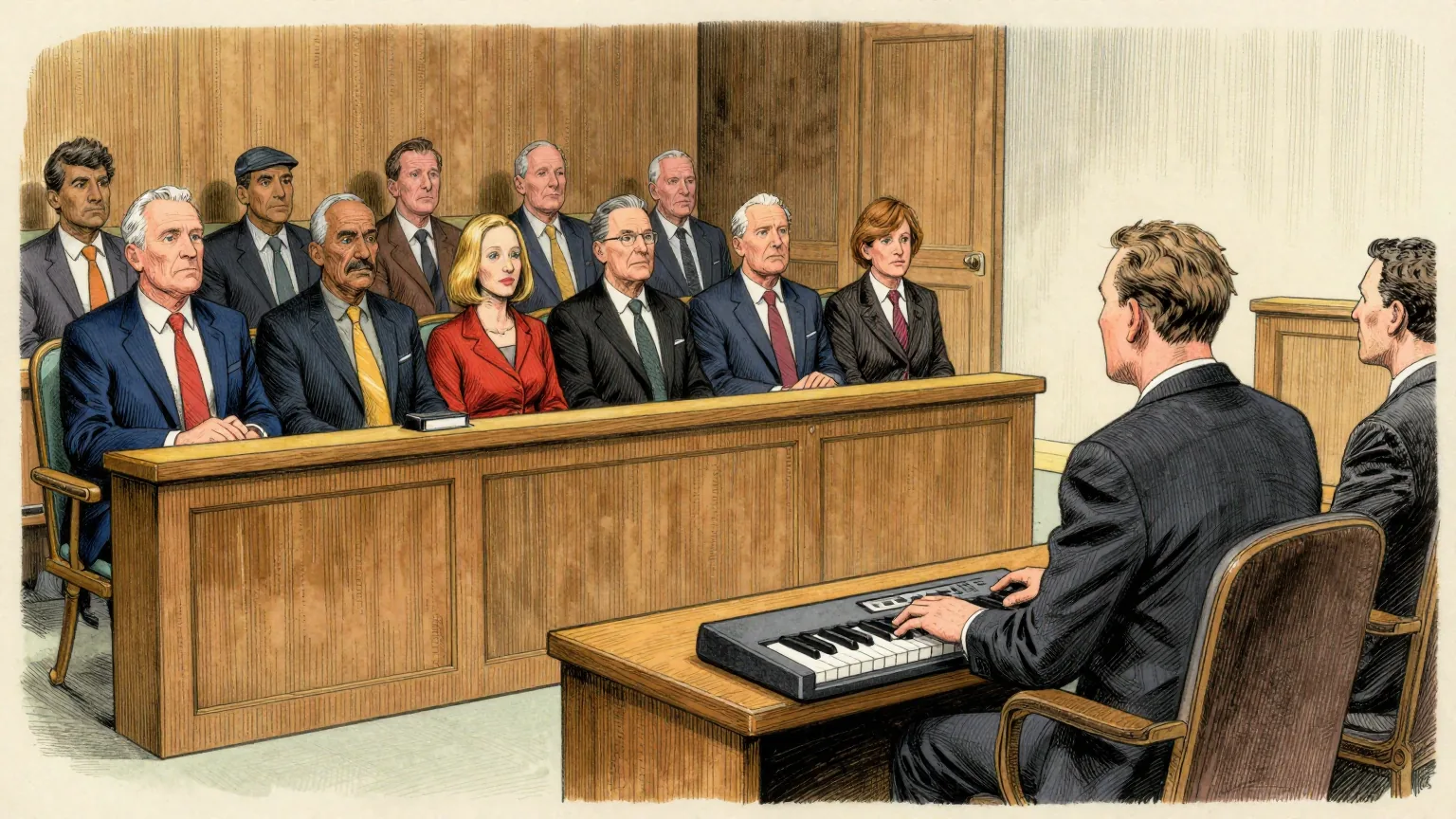
It is important to be exact about what a select committee is able to do. It can require evidence. It can call witnesses. It can establish who sat in which room, on which date, and on what basis a name was put on a shortlist. What it cannot do is listen to a three-minute song on behalf of a continent.
This is the difficulty at the centre of the inquiry. The committee has been asked to explain a number, and the number was awarded elsewhere. Everything within its reach is upstream of the result: the shortlist, the meeting, the label, the criteria. The result itself is the one part of the process that is not a process.
The Questionable Times therefore expects the inquiry to proceed with unusual smoothness. Witnesses will be able to describe the selection procedure in full, because there is a selection procedure, and it was followed. Written submissions will confirm that it was followed. A future report will note that it was followed.
At that point the committee will face the only genuinely interesting finding available to it: that the process was correct and the entry still received one point. Under established practice this leaves a single recommendation, which is that the United Kingdom adopt a process capable of producing a different outcome from the same evidence.
The Department of Unnecessary Research has asked to give oral evidence on the narrower question of whether a song can be held accountable to its own shortlist.
The committee will establish who chose the entrant, on what basis, and what other processes have been tried. At no stage will it be required to hear the song.