
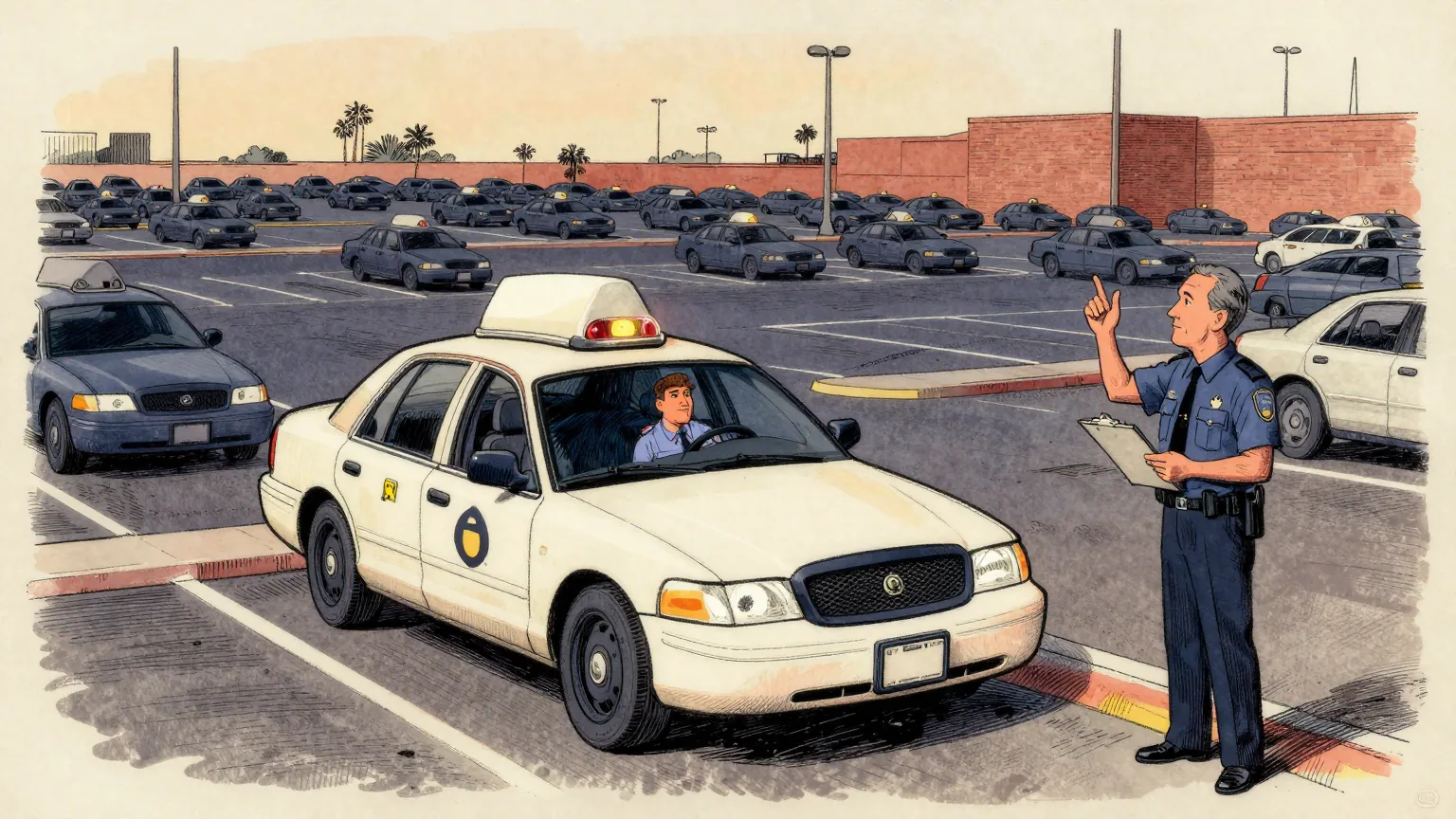
A regulatory cap limiting Zoox to 100 robotaxis in Nevada is set to expire this month, clearing the way for the Amazon-owned company to expand its commercial fleet in Las Vegas just as competition intensifies.
The Nevada Transportation Authority permit that imposed the 100-vehicle cap expires on 25 September, TechCrunch reported. An NTA official and a Zoox spokesperson confirmed the change, which is also set out in an updated permit.
The timing matters. Waymo recently launched a commercial service in Las Vegas, and Tesla and Uber have secured their own driverless ride-hailing permits.
Zoox currently has about 100 of its custom-built robotaxis - cube-like vehicles with no steering wheel and no pedals - spread across four US cities including Austin and Miami, with the bulk of the fleet in Las Vegas and San Francisco. Las Vegas remains the only city where the company charges for rides; it must still obtain a further permit from California regulators before it can charge passengers there.
Charging began in Las Vegas last month, after the National Highway Traffic Safety Administration granted a temporary exemption from certain federal motor vehicle safety standards. That exemption was essential because, unlike Waymo's vehicles, Zoox robotaxis were designed without the traditional and federally mandated controls. It allows the company to deploy up to 2,500 vehicles a year for the next two years.
How quickly Zoox will use its new freedom is unclear. A spokesperson declined to say how many robotaxis the company plans to add in Las Vegas, or how many are operating there today, saying only that it plans to increase the fleet steadily over the coming months "to meet the high demand in Las Vegas and other markets". Robotaxi Tracker, which collects data on autonomous vehicles, estimates that Zoox has more than 30 vehicles operating in the city.
It will have company. In August the NTA approved three permits allowing Tesla, Uber and Waymo to run commercial robotaxi services in Clark County, home to Las Vegas. Together, those permits could bring up to 7,000 robotaxis to the area over the next 12 months.
The arithmetic of the expiring cap rewards a moment's attention. The regulator permitted 100 vehicles. The company operates, on the best available estimate, somewhere above thirty. The cap is now being lifted.
At no point in the life of the permit did the limit prevent anything. Zoox did not approach it, did not apply to exceed it, and will not notice its removal until it has roughly tripled the fleet.
This is, in its way, the ideal regulatory instrument. Compliance was total and continuous. Enforcement costs were nil. Neither party was ever inconvenienced, and the restriction has now been withdrawn with no observable change to anything in Las Vegas.
The Department of Unnecessary Research recommends the model for wider adoption. A limit set comfortably above the capacity of the industry it governs delivers a perfect enforcement record, a satisfied regulator and an unimpeded company, and can be lifted at any time as a gesture of liberalisation.
The federal exemption permits 2,500 vehicles a year. The county's permits could support 7,000. Las Vegas is licensed to be a city of robotaxis and has so far elected to be a city with about thirty. A cap on an activity that is not taking place is the only kind of limit everybody can agree to.