
Oregon has told its executive branch to buy frontier artificial intelligence models only where they have received independent, third-party review for artificial intelligence safety, under an executive order signed on 23 September.
Executive Order 26-26 is titled "Establishing Responsible Artificial Intelligence Procurement Standards for State Government". It reaches state procurement, contracting and technology-use practices, and applies consistently with existing state and federal law.
The order directs the State Chief Information Officer to develop standards or criteria for adequate third-party review for AI safety. "Within 90 days of this executive order, the State Chief Information Officer will develop and submit to the Governor a proposal for its implementation."
Oregon's chief information officer is Terrence Woods.
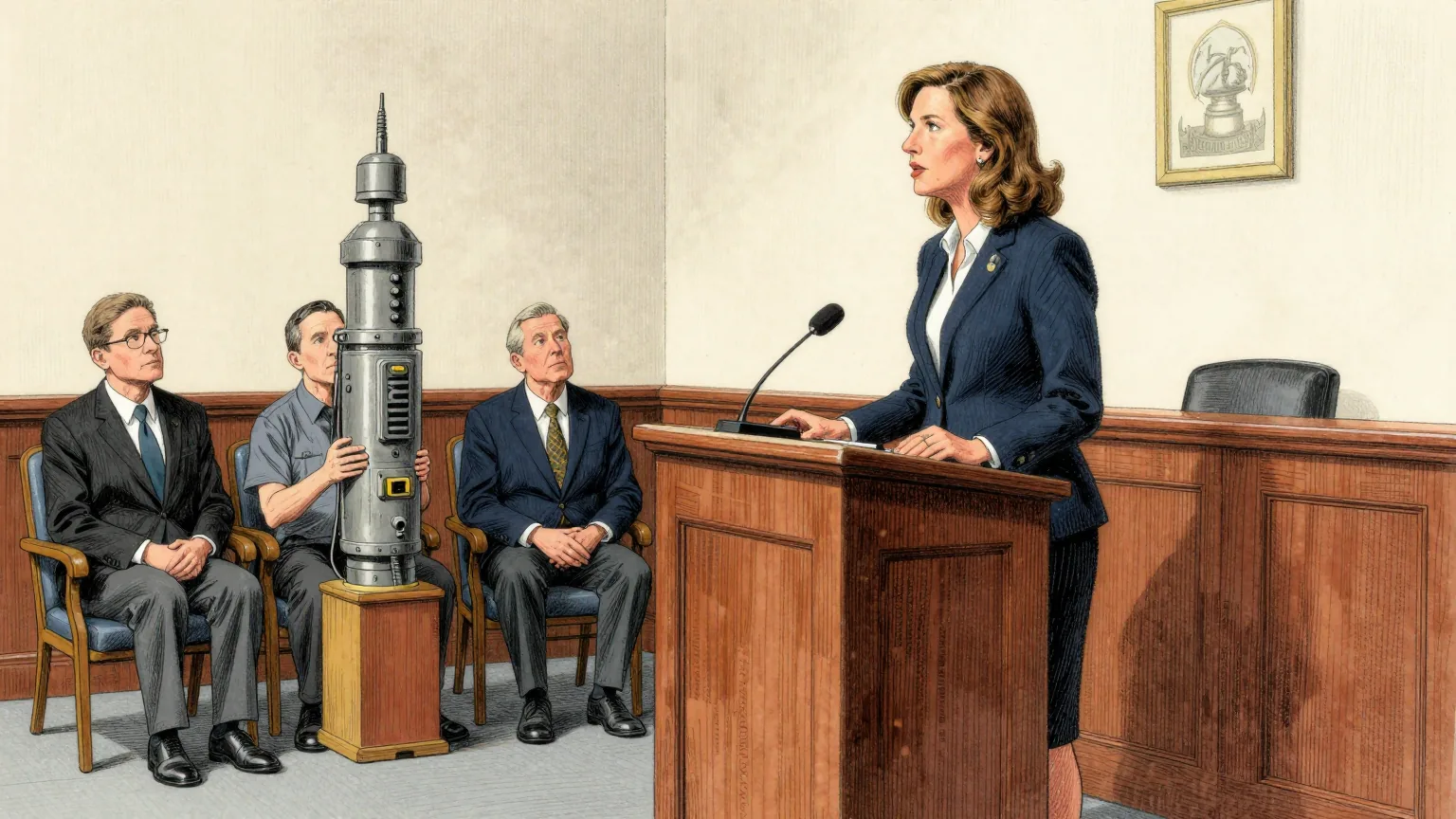
The order also directs the state to assess the viability of a "kill switch" requirement for frontier AI models. No such requirement has been established.
Governor Tina Kotek said: "We must act with urgency to address this issue, and I am committed to doing everything in my executive authority to put safeguards in place until the Oregon Legislature and Congress can pass comprehensive standards for AI companies that wish to bring their products to market here."
The order took effect on signature and remains in effect until terminated. "The Governor shall reassess the necessity of this executive order every three months."
Other states have moved on similar ground. California passed Senate Bill 813 and Assembly Bill 1405 in September, creating a framework for independent third-party assessments and a state registry for AI auditors. New York requires developers to register by November 2026 and to meet transparency standards from January 2027, including reporting critical safety issues within 72 hours under its Responsible AI Safety and Education Act.
The sequence deserves to be set out in order. The requirement is in force today. The definition of the requirement is due in December. For the next ninety days, Oregon may buy a frontier model that has passed an adequate independent third-party safety review, and nobody is yet in a position to say whether any model has.
This is not a gap. It is the cleanest procurement standard the Department of Unnecessary Research has examined. A criterion with no published contents cannot be failed. It also cannot be met. The set of compliant models is therefore known exactly, and known to be the same size at both ends.
The review itself invites the same treatment. Adequacy is to be determined by the state. The reviewers are to be third parties. The standard by which the state will judge the third parties is the document being written. Each part of the arrangement is waiting on one of the others, which is a stable condition and requires no further work from anybody until December.
On the kill switch, the order is careful. Viability is to be assessed, not required. Our analysts note that the assessment carries no deadline of its own.
The order takes effect immediately, remains in effect until terminated, and is reassessed every three months. It is, so far, the only item in Oregon procurement with a demonstrated kill switch.