Seven countries will formally present their case to stage the 2036 Olympic and Paralympic Games in November, among them South Africa, which would host the first Olympics held in Africa.
The South African bid, which would probably be spread across Cape Town, Johannesburg and Durban, is seen as a distinct outsider. Qatar is widely regarded as the frontrunner, ahead of India and Hungary, with Turkey, Germany and South Korea making up the rest of the field asked to present to the International Olympic Committee's future bid committee.
Qatar's position at the top of the pecking order is partly down to the perceived strength of the bid and the fact that Asia will not have hosted a Games since Tokyo 2020. A Doha Olympics would have to be moved out of the Games' traditional July and August slot because of the heat.
India's bid is for Ahmedabad. Hungary's, which is very well regarded, is said to include not only Budapest but Vienna and Bratislava, the capital cities of two other countries.
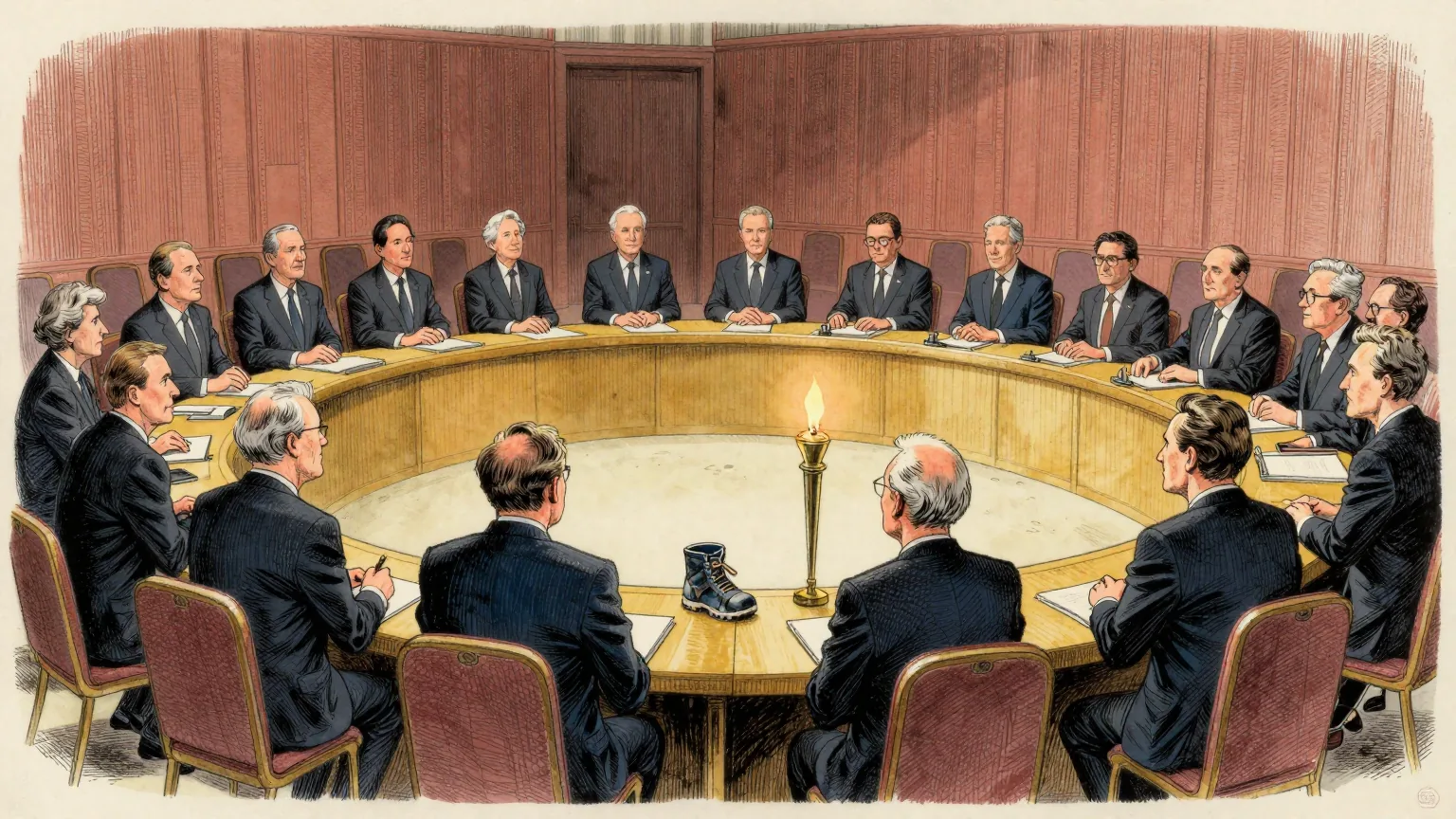
In a handbook published on Tuesday, the IOC said bids would be judged on a number of technical factors, including the venues and athlete experience, political and public support, and the ability to deliver a great Games and a long-term legacy, as well as their vision for the Olympics.
"I was fortunate to compete at five Olympic Games, across four continents. Each had their own character," said the IOC president, Kirsty Coventry. "Each host brought something unique through its people, its culture and the way it chose to stage the Games. But wherever the Games take place, one thing must never change: athletes have to be at the heart of everything we do."
Coventry added: "That is why, for every future host, delivering the best possible experience for the athletes must always be the starting point."
The timetable is long. Other interested countries have until the end of October to confirm their intention before nominations close. The IOC will conduct feasibility assessments by March 2027, and in December 2028 its executive board will open a "targeted dialogue with a select number of preferred hosts". A vote in the summer of 2029 will select the host of the 2036 Games. Most of the other bids are seen as placeholders for 2040.
Lay the two sets of dates against each other and the process acquires an unusual feature. Nominations close this month. The host is chosen in 2029. The Games open in 2036, a decade from now.
The IOC's stated starting point is the athlete experience. The athletes whose experience is being specified have not been selected, because the great majority of them have not yet taken up the sport.
That is not a criticism of the process. It is a description of it. A gymnast who competes in 2036 is, on current form, about ten years old today. The venue will be chosen when she is thirteen, by a committee that opens its targeted dialogue with preferred hosts when she is twelve.
The paperwork therefore runs ahead of the competitors by a comfortable margin. Feasibility assessments in March 2027, dialogue in December 2028, a vote in the summer of 2029, a Games in 2036. At every one of those milestones the athletes at the heart of everything are represented by nobody at all, correctly minuted.
This raises a question of standing that the charter does not appear to address. The bids are assessed on athlete experience. The athletes cannot be consulted, because they are not yet athletes. The experience is being specified on their behalf by officials who will, in several cases, have retired before it is delivered.
The heat clause sharpens the point. A Doha Games would be moved out of July and August, which makes the frontrunner's principal concession a concession to the weather of a decade that has not happened yet.
The Department of Unnecessary Research has filed a single question with the future bid committee. It asks which of the competitors at the heart of everything was available for comment.