
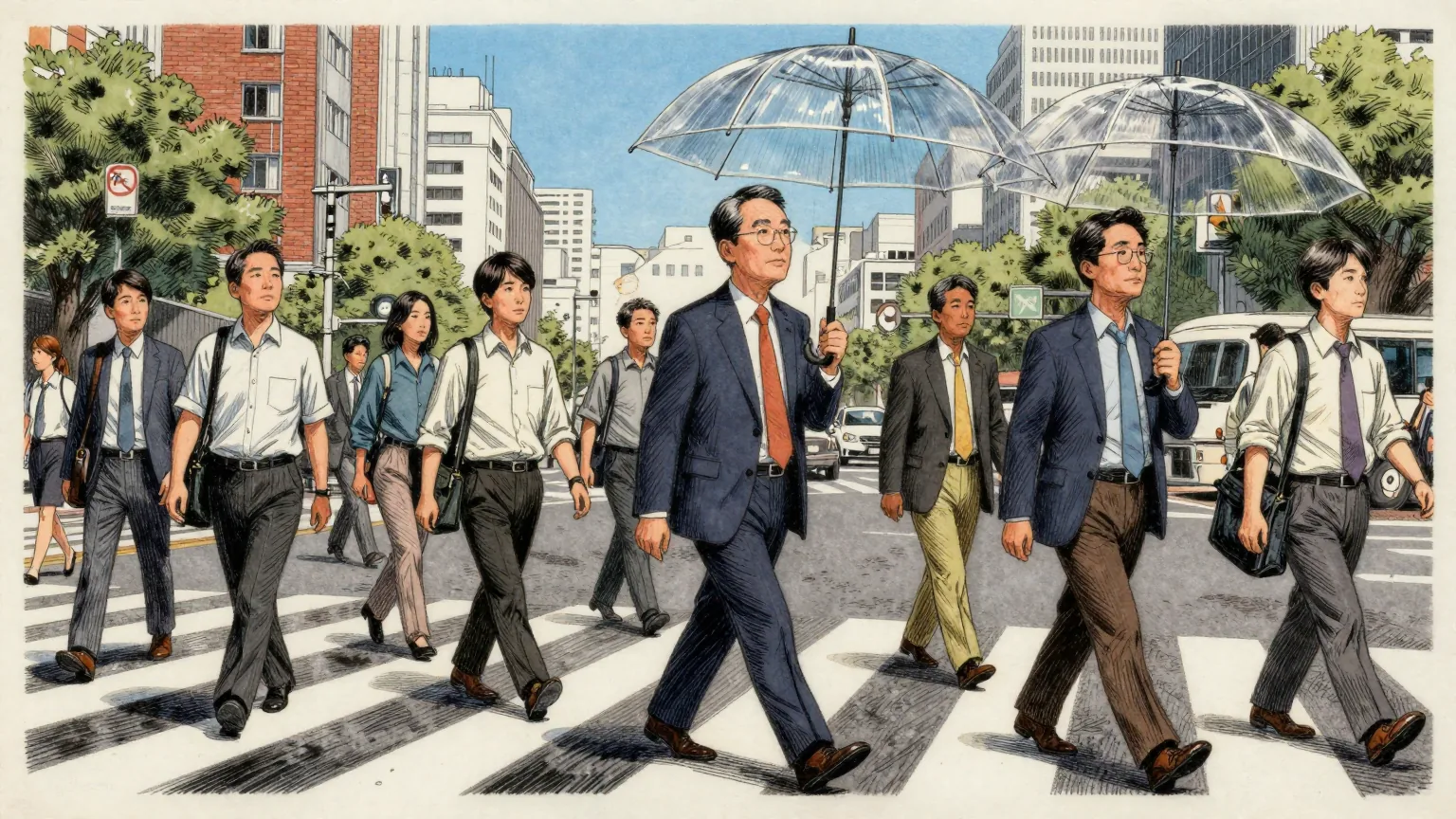
A sunny weekend in Tokyo has brought to an end a record-breaking run of 37 consecutive days of rain, Japan’s weather agency said on Monday.
"The longest streak of rainy days continued from Aug. 27 to Oct. 2, making 37 consecutive days of rain," said Eri Kawanami, an official at the Japan Meteorological Agency.
Friday’s showers capped the city’s longest stretch of rainy days since records began in 1886.
The previous record was 33 consecutive days, set between 27 June and 29 July 2019.
Since the beginning of September, Tokyo had been soaked by 696.5 millimetres of rain, more than three times the normal level, according to the JMA.
The capital’s rainy season normally takes place in June. This year the city has had regular heavy downpours throughout the summer, as well as heavy flooding across the wider Tokyo metropolitan region.
Weather globally is being shaped this year by El Niño, which shifts winds, air pressure and cloud patterns and can bring heavy rain to some areas and droughts elsewhere. Climate change fuelled by fossil fuel emissions increases moisture in the atmosphere, making heavy rain more likely.
Earlier in the run, Masayuki Kyoda, another JMA official, told AFP that "the distinctive weather map during this month is in part because of El Nino", and that "autumn rain fronts are staying longer than usual" because a high pressure system in the Pacific was also remaining longer than normal.
The way the record ended repays attention. The streak was a count of consecutive days on which rain fell, and it was broken by a Saturday on which rain did not. Nothing about the situation improved by 37 days’ worth. One day behaved differently and the measurement reset.
This is the correct arrangement, and it has a consequence. Tokyo now holds the record for the longest run of rainy days since 1886 and, from 3 October, has also been accumulating a new and unbroken run of days on which it did not have 37 consecutive days of rain. As of this morning that second streak stands at five.
Our analysts note that the second figure is the more reassuring of the two and will grow very much faster than the first, which requires 38 days of rain to move at all. It is also the only streak the city has ever been able to extend by doing nothing, and the longest such run in Tokyo’s history is the one it is on this morning, by definition.
The Department of Unnecessary Research has asked the Japan Meteorological Agency whether the second streak should be published alongside the first, on the grounds that both are counts of consecutive days and only one of them has ever been interrupted. It expects a short answer. The sun came out on Saturday and ended a record 140 years in the making; the record it started is five days old, and can only be broken by rain.